![Selling A House With Fire Damage [market_city]](https://image-cdn.carrot.com/eyJidWNrZXQiOiJwcm9kdWN0aW9uLmNhcnJvdC11cGxvYWRzLm9uY2Fycm90LmNvbSIsImtleSI6InVwbG9hZHMvc2l0ZXMvODAyNTUvMjAyNi8wNi9TZWxsaW5nLUEtSG91c2UtV2l0aC1GaXJlLURhbWFnZS5qcGciLCJlZGl0cyI6eyJyZXNpemUiOnsid2lkdGgiOjExNTJ9LCJ0b0Zvcm1hdCI6IndlYnAiLCJ3ZWJwIjp7InF1YWxpdHkiOjcwfX19)

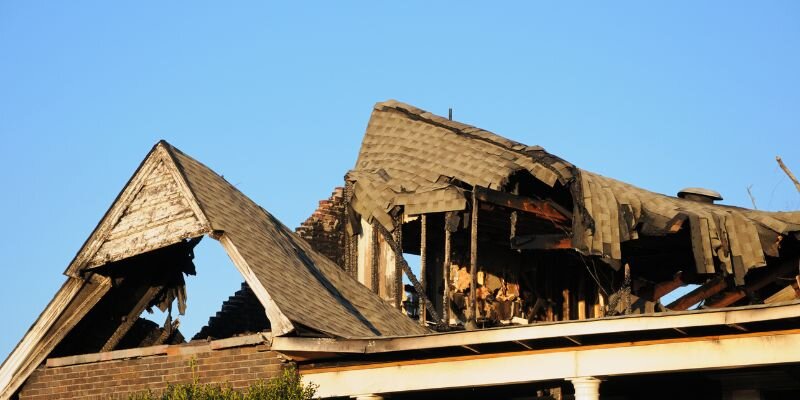
Selling a home that has sustained fire damage is rarely a straightforward process, especially with added complications from insurance, repairs, and the standard challenges of the selling process. Homeowners in Texas have more options. Smart Sale Homes and other investors will buy fire-damaged homes, selling them “as is.” This eliminates most of the hassles of the selling process: repairs, negotiations, and timeliness. This guide will explain what you need to know in order to sell a fire-damaged home in Texas and regain financial stability.
Understanding Fire Damage and Its Impact on Texas Property Values
For most homeowners, the resale impact from fire damage is greater than expected. Properties with ongoing fire damage sell for 20-40% less. The severity of fire damage is not the same across the board. Roofs and foundations will be far more impacted than a contained kitchen fire. Damage to a property’s drywall and cabinets can be repaired, and while those repairs may leave a severe long-term impact on the overall value of the property, that impact will be significantly less than the cost of the repairs. Well-done renovations could cause a value decrease of 10-25%.
As one of the state’s most wildfire-prone areas, Austin is the 5th most fire damage-prone city in the country. Other Texas cities are not far behind. The heightened awareness of fire damage among Texas buyers creates even more long-term value concerns. Insurance claims leave a 7-year impact on a property. For buyers, the long-lasting impact of fire damage will negatively affect the property during an insurance quote as well.
Professional Fire Damage Assessment and Property Inspection Process

Getting a proper assessment is the most critical step. You cannot assess what has not been properly measured. Professional fire damage inspectors look at:
- Structural integrity — foundation fissures, framing, and roof stability, and the overall stability of the structure after it has been exposed to extreme temperatures
- Smoke penetration — how far smoke and soot traveled through walls and ceilings, and into the living space
- HVAC contamination — smoke can contaminate the entire duct system, which can mean the entire system must be replaced
- Water damage — damage to flooring and framing that is a result of firefighting efforts
- Damage to electrical and plumbing systems — damage that is concealed, but poses a safety threat, and violates building code and construction compliance
Many inspectors classify damage into three categories:
- Cosmetic damage — damage that mainly is paint, flooring, and fixtures, most of which can be restored with renovation
- Structural damage — damage to framing, the foundation, and the roof; damage that most impacts the value of the building and the strategy for selling it
- Total loss — damage that is beyond the point of practical repair, and must be addressed with a completely different strategy
Saving the cost of the assessment is false economy. Prospective buyers will have their own assessment no matter what. Providing documents from your own assessment can actually build trust and lead to offers that are more valuable, whether you are working with a company that buys homes in San Antonio or nearby cities.
Insurance Claims and Settlement Considerations for Damaged Properties
Insurance companies have a primary goal to pay out as little as possible. For the Texas homeowner (who spends, on average, $3,851 per year, which is $1,751 more than the national average), this means paying a premium and receiving a fair payout. Once you are aware an adjuster is coming, protect yourself by documenting your loss and collecting as much evidence as possible: photos, receipts, and contractor estimates. Insurance companies look to pay out the bare minimum by putting a depreciated value on your loss. The more evidence you collect, the more persuasive your case will be. Many homeowners will settle out of convenience, but hiring an independent adjuster often results in a significantly higher settlement.
After months of waiting for a payout, many homeowners find they are better off financially by selling their home to a cash buyer and assigning their insurance payout to the buyer. In Texas, it is common to sell your home to a cash buyer and assign your insurance payout directly. This allows you to fund the purchase of a new home while the damaged property transitions to the investor. This, especially, works in the Texas housing market.
Essential Documentation Needed for Fire-Damaged House Sales
The difference between a fire-damaged sale and a fire-damaged disaster is documentation. Fire department reports, fire insurance claims, inspection reports, and estimates from contractors will be needed. The fire department report is especially important, as it will give the cause of the fire and how the fire started will affect perceptions of buyers; is the fire electrical, a cooking fire, or arson? Make sure you obtain several copies. Your insurance documentation should include the original claim, the adjuster’s report, the settlement letter, and all correspondence, so buyers can see exactly what was covered and what was not.
Inspection reports from professionals will give buyers confidence in the property and will be worth the cost. Cash buyers will appreciate detailed estimates from contractors that break down the cost of materials and labor and will help them calculate their return. The cost of temporary repairs will also be factored into negotiations. This documentation will help you inform buyers and close a sale on a difficult property.
Legal Requirements for Selling Fire-Damaged Properties in Texas
When selling fire-damaged property in Texas, you cannot overlook the rigorous disclosure requirements. Specifically, the Texas Seller’s Disclosure Notice requires the disclosure of fire damage, regardless of extent, and regardless of whether repairs were made. You must inform buyers of the fire, its cause, and the repairs you made. Even a minor fire with repairs made must be disclosed to avoid the onerous liability of the Deceptive Trade Practices Act.
Some urban municipalities impose additional, and often burdensome, disclosure requirements on property owners. In Houston, for instance, property building codes kick in if a property sustains a certain level of damage. If the damage to the property exceeds a determinative level, Houston requires property owners to remediate the damaged area and simultaneously upgrade the rest of the property to Houston’s existing building codes. For many property owners, this often expensive and time-intensive remediation comes as a surprise. Commonly affected systems include electrical and plumbing. Even HVAC systems may require unplanned upgrades to meet current code.
Repair Vs. Sell As-Is: Making the Right Financial Decision
To accurately decide on either option, a clear understanding of the math of the options presented is required. A completely repaired home sees a 10 to 15% drop in the value of the home. An as-is sale makes a 30 to 50% drop in value, as the buyers assume all the risk and the work of managing the construction. The cost of repair is also substantial. To illustrate, the cost of the repair of the structural damage caused by the fire may be estimated to be between $50,000 and $150,000, and this estimate also may not include the cost of holding the home during the 6 to 12-month renovation. The math of the value is simple. To determine the value of the home as it is, subtract the value of the home once repaired from the total of the holding cost and the cost of the repairs. If the as-is value of the home is higher than the value of the home once repaired, then it makes more sense to sell the home as is.
There is no doubt that the numbers do have some value in the decision, but your personal situation is more important. Carrying two mortgages is a cost of managing the large renovation work. Additionally, cash buyers typically have contractor relationships already established, and buy the work to be done, manage their own construction, and, as a result, offer a better price than a homeowner can negotiate. In the absence of the cash, time, and resources to manage the construction for multiple months, selling the home as is to the buyer is the best option.
Pricing Strategies for Fire-Damaged Real Estate in Texas Markets
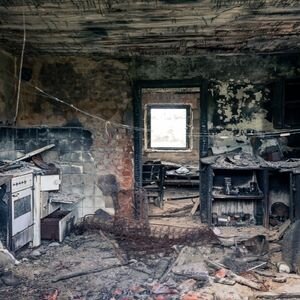
Pricing fire-damaged property requires both an understanding of the damage and your local market. Texas REALTORS report that the Texas statewide median price stood at $340,000 for Q2 2026. However, fire-damaged properties are different and compete with distressed properties. This requires the study of distressed sales. You may also want to collaborate with investors who keep track of these sales, as there can be significant difficulty in tracking these sales through publicly accessible records. The distressed sales market caters to cash buyers, as outlined previously, so the significant fire damage limits your potential cash offers and puts you in a position with little power to negotiate.
Texas has a buyer’s market, which is negatively impacting the fire-damaged property. For Q2 2026, the average length of time homes were on the market increased by a week. The average time for homes to sell in Texas was 4.8 months. An aggressively fire-damaged property will sell and net better results than holding the property as it deteriorates from an over-optimistic listing price. The longer a fire-damaged property goes unsold, the more difficult it will be to sell the property.
Marketing Approaches for Fire-Damaged Property Sales
Photographing fire-damaged properties for the MLS presents a problem for conventional real estate because there is no market for buyable charred and smoky pictures. With fire-damaged properties, your customers are the investors, cash buyers, and contractors awaiting the next rehabbing project. These buyers have different market, search, and purchase patterns from those of conventional homebuyers. If you decide to use the MLS to sell, you can say “investor special” or “renovation opportunity” to request offers, and you should never hide damage. This saves time and keeps your credibility intact. While many investors rely on their networks, they are also direct and reached quickly by the property info posted on cash buyer sites and investment companies. This is a far better option than other listings.
Straightforward presentation of the property as-is, especially when the property has such features as decent bones, a recent upgrade to an unmarred area, and other neighborhood-friendly features. Presentation dictates the level of the offers, and when you are honest with the buyers about the obstacles, they will be brought up to speed with the offers and the potential.
Finding Qualified Buyers for Damaged Real Estate
Experience and outcome hinge on finding the right cash buyer. A good option will likely be a buyer of distressed properties. They have an understanding of the actual costs involved. Therefore, distressed property purchasers will likely make more reasonable offers and won’t hesitate to submit proof of funds, eliminating the need for you to invest time bargaining. To determine if they have constructive offers, ask how many fire-damaged properties they have purchased, if they have closing references, and if they have a history of closing.
You should be selective in allowing buyers to tie up your property. Cash offers should be pursued due to their speed and certainty. Because of this, you should avoid buyers who are offering long, detailed inspections and closing contingencies. A skilled cash buyer should be able to accept the offer with minimal demands. If the buyer’s offers would make the process more complicated than it should be, you can easily determine that they lack the resources and experience to follow through with the offer.
Negotiation Tactics for Fire-Damaged Property Transactions
Sales of real estate damaged by fire require a completely different strategy from typical sales of real estate. Fire-damaged real estate requires selling it at a greater speed and lower prices, and greater speed is more important because the costs of carrying and maintaining the property continue to grow. A purchase offer of $300,000 is worthless if it is not going to close for three months, while a purchase offer of $250,000 that closes in two weeks is worth more. People selling fire-damaged real estate tend to receive many bids that can take months to close, so it is best to evaluate an offer not by the purchase price but by the price the property owner is going to receive and the net proceeds of the sale, after costs like commissions and closing costs. Time is money, and that should be considered when evaluating offers.
Greater flexibility on your part will be beneficial to you, so be as flexible as you need to be on closing and possession dates, but be as inflexible as you need to be on selling the property in as-is condition. Such buyers only serve to create problems. Buyers who offer better purchase prices, and buyers who offer to conduct utility transfers and flexible possession buyers, are better buyers.
Title Issues and Liens Related to Fire-Damaged Properties
Fire damage can complicate title issues when attempting to sell a property. Insurers may file liens if there is a claim over the policy limit or if there is a suspicion of fraud. These liens must be removed before the property can be sold. Emergency repairs are often subject to mechanics’ liens. Even small unpaid mechanics’ liens can halt the transaction. Even temporary repairs can cause code violations, and unpermitted repairs are also a violation. These violations must be resolved before the property can be sold. If repairs were done without a permit, there will be code violations, which also need to be resolved before the property can be sold.
Texas has a speedy property tax collection, and fire victims on the property are especially exposed to that risk. Even if the property is unlivable, fire victims must be sure to keep property taxes current. A full title search should be run before a property is put on the market. It is prudent to search for and resolve any liens that may otherwise be hidden before closing a property sale. This creates confidence in the buyer that there will be no unexpected or hidden costs that may cause the sale to be delayed or canceled.
Closing Process Considerations for Damaged Property Sales
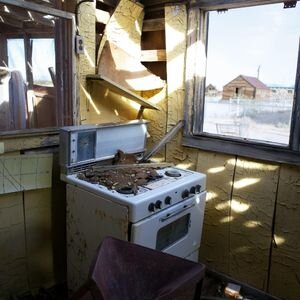
Selling a fire-damaged property is more involved than a traditional real estate transaction. The potential for insurance complications and liens makes title work more time-consuming, so it is important to engage an experienced title company that regularly works with distressed properties as part of your prep. Buyers may need a standard appraisal as well as specialized inspections (e.g., environmental, structural), so allocate time for these as needed. Your options may be limited to only transferring the current policy. Buyers of fire-damaged properties may need expensive, specialized insurance. The utilities should be addressed early, as some buyers want to manage the disconnection and reconnection. Make arrangements for who will disconnect the utilities and the reconnection, as some buyers want to manage the reconnections themselves.
There is no need to close faster for a cash sale. Cash sales typically close faster than financed sales, but both still need to be documented correctly. The final walkthrough for fire-damaged properties is typically for safety and access. Make the property safe. Ensure there are no obstacles for the buyer’s contractors. Whether you are working with cash home buyers in Texas or surrounding cities, in the absence of a lender, it is still important to have all documents. There is an unnecessary risk that comes from shortcutting the process. You will satisfy your legal obligations and ensure a well-documented closing. There will not be a negative impact on the buyer’s renovation.
FAQs
How Hard Is It to Sell a House with Fire Damage?
Selling a fire-damaged house can be a more difficult process than selling an undamaged house; however, with the appropriate method, it can be done. The right people to sell to are either all-cash buyers or investors who are interested in purchasing houses that are in a distressed state. Traditional homebuyers would not be a good choice.
What Makes a House Unable to Sell?
Even with severe damage, a property can usually be sold with the right offer, barring exceptional conditions. Generally, failing to sell a property can be attributed to an owner’s unreasonable expectations with respect to pricing, and not the property actually being unsellable.
How Should I Price a Fire-damaged House?
Begin with your property value before the fire. Then, before the sale, subtract your estimated repair costs, holding costs, and a buffer for the buyer’s profit margin. If the property is being sold “as-is,” the price drop can be 30% to 50% or more because the buyer assumes the risk of the property, as well as construction management. Multiple contractor estimates can assist your sale, as can true comparables of similar distressed property sales in your local area.
What Should I Do with My Fire-damaged House?
You need math, not emotions, to guide your decision. First, tally the entire cost of repairs and holding costs throughout the repairs. Next, look at how much the cost to sell as-is differs from the price after repairs. If the difference is small, selling as-is is usually best to avoid risk, time, and stress. From there, assess your finances, your time, and your capability of managing a major renovation.
Ready to sell your fire-damaged house fast in Texas? Smart Sale Homes specializes in as-is cash purchases, so you skip the repairs, skip the hassle, and close on your timeline. We handle all the details and make the process seamless from the first call to closing day. Contact us at (726) 208-7795 for a no-obligation cash offer and take the first step toward putting this behind you. Get started today!