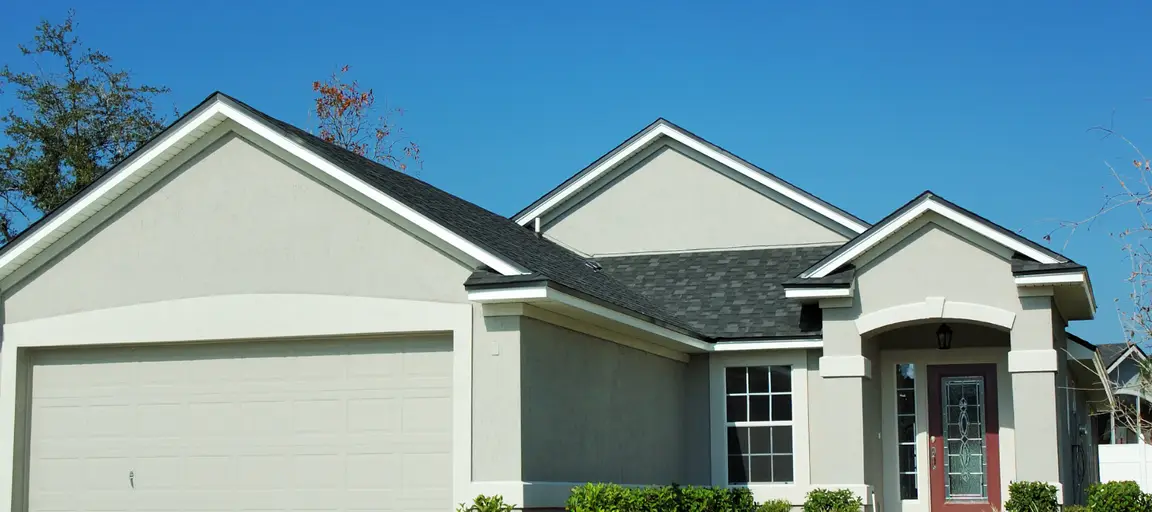

Walk the alley behind a 1960s ranch in Garland and you can read the soil right off the brick. Stair-step cracks run over the windows. There’s a gap where the garage slab meets the driveway. Expansive clay sits under much of Texas, swelling after a wet spring and shrinking hard through August, and houses ride that motion year after year. Foundation movement isn’t exotic here. It’s closer to a regional feature. Selling through it still takes planning. Buyers, agents, and lenders in this state have seen foundation issues a hundred times, though, and there’s a worn path for getting a house with a bad slab sold without giving it away.
Foundation Problems in Texas Homes: What Sellers Are Really Up Against
That path starts with an engineer, not a foundation company. A licensed structural engineer measures elevations across the slab and gives you a written opinion on whether it’s still moving. A repair contractor gives you a bid. Those are different documents, and only one of them calms a nervous buyer.
Buyers knock far more off a cracked slab than the repair actually costs. I’ve watched offers come in tens of thousands under list on houses where the engineer called for six piers along one corner. Fear sets that price. The gap between the real repair number and the one in the buyer’s head is where your whole decision lives.
Statewide, the market under that decision has softened. Texas homes sold for a median of $329,054 in September 2026, down roughly one percent from a year earlier, per Redfin’s Texas market data. The typical home spent 68 days on the market, one day longer than a year earlier. When buyers have choices, problem properties are the first ones they pass on. The house with the sticky back door and the sloped hallway is the one they skip on a Sunday afternoon.
Soil drives most of the problem. Houston Black clay under the Blackland Prairie, the Eagle Ford shale belt running through Dallas and Ellis County, the caliche and limestone mix west of Austin: each one moves differently. The cracking pattern changes with it. A good engineer names the soil in the report. That one detail reassures a buyer more than any amount of fresh drywall mud.
What Does the Texas Home Market Look Like Right Now?
Dallas has held up better than most of the state. Its median sale price sat around $450,000 over the three months ending September 2026, up 3.4 percent from the prior year, per Redfin’s Dallas figures. Homes there spent about 53 days on the market.
Austin looks different this year. The median sold price there reached $591,364 in September 2026, and the median time to sell stretched to 50 days, according to the September 2026 Austin price report. Frisco had a rougher month, with prices down 5.4 percent year over year that September, based on Redfin’s Frisco data.
So where does that leave a house with structural problems? Leverage moves toward the buyer. In 2021 a seller could write “foundation as-is, no repairs” in the remarks and still field three offers before dinner. That era’s gone. With inventory sitting longer, conventional buyers can hold out for a house with no engineer’s report in the file, and most of them will.
None of that makes your house unsellable. It changes who buys it and how fast. Investors, contractors, and cash buyers still want North Texas and Gulf Coast properties with movement issues. The repair math works for them in a way it never will for a family stretching to make a down payment.
Your Texas Listing Expired: What Comes Next
Agents rarely explain one mechanical detail before you sign. Your days on market don’t reset the way you’d hope. MLS history follows the property across relistings, so any agent who pulls it sees the old price, the reductions, and the date the inspection killed the first contract. Switching brokerages won’t erase that trail.
Expired listings on homes with foundation issues usually die from one of three causes. The price never came down to match the repair estimate. Or the seller wouldn’t order an engineer’s report, so every buyer imagined the worst. Or a contract fell apart in underwriting and the house came back to market wearing a scarlet letter.
Which one happened to yours? Your next move depends on that answer, and it’s worth sitting with before you sign another six-month listing agreement.
The most common mistake I see is relisting at the same price with a new agent. The market already voted, and fresh photos won’t change the vote. If your house sat 90 days in a metro where similar homes sell in two months, marketing wasn’t the problem.
After an expiration, you’ve got three honest routes. You can get the engineer’s report plus bids and relist with real documentation, which widens your buyer pool a lot. You can repair the foundation and come back as a clean listing with a transferable warranty. Or you can skip the retail process and sell as-is to a buyer who takes on the work, trading some price for certainty and speed. Plenty of sellers pick that third route after a second listing fails, and there’s no shame in the math.
How Do You Sell a House with Foundation Issues in Texas?
Get the order wrong and you can burn four months, sit through two terminations during the option period, and still sell for less than your first offer.
Start with paperwork. An independent structural engineer’s initial inspection typically runs $300 to $800 in Texas, with final certification after repairs adding $200 to $500, per HomeBuddy’s September 2026 Texas cost guide. It’s the cheapest credibility you’ll ever buy. Add two or three repair bids from established foundation companies, and your buyer stops guessing.
Repair costs cluster tighter than most sellers fear. The same guide puts moderate work (a handful of piers, some leveling, drainage correction) at $3,500 to $8,000. Severe jobs with extensive piering or partial replacement run $10,000 to $30,000 and up. Pressed concrete piers cost less per unit than steel or helical piers, and your soil depth decides which one the engineer specifies.
Should you fix the foundation issues before listing? My take: only if the work carries a transferable lifetime warranty and you can afford to wait out the market afterward. A warranty that follows the deed is worth real money to the next buyer’s lender. A five-year parts-only guarantee isn’t.
Price it honestly. Take your as-repaired comps, subtract the high repair bid, then knock off a little more for the buyer’s hassle. That number sells. Anything above it invites a slow bleed of showings that go nowhere.
Some sellers would rather not front repair money or schedule contractors. For them, companies like Smart Sale Homes buy San Antonio houses in their current condition and handle the structural work after closing.
Do You Have to Disclose Foundation Problems When Selling a Texas Home?
I assumed for years that a repaired foundation was a closed chapter. It isn’t, and it’s not a close call.
Texas Property Code Section 5.008 requires most sellers of previously occupied single-family property to give buyers a written Seller’s Disclosure Notice. Most use the form the Texas Real Estate Commission publishes, which was updated in 2026. It asks directly about defects in the foundation, slab, walls, and floors, and about previous foundation repairs. A foundation fixed in 2019 and stable ever since is still something the buyer gets to know about. Sellers forget that when the repair feels like old news.
The form asks what you know, not what an inspector might turn up. If you honestly can’t tell whether the hairline crack in the primary bath is structural, say so plainly. Texas doesn’t make you hire anyone or crawl under the house. It does require you to be truthful about what’s already in your head.
Lying gets expensive. Hiding a known defect opens the door to claims under the Deceptive Trade Practices Act, which allows up to three times economic damages for knowing violations, plus attorney fees. An $8,000 pier job turns into a number nobody budgeted for.
Timing matters too. The notice should reach the buyer on or before the contract is signed, and Texas real estate attorneys note that late delivery gives the buyer seven days from receipt to terminate. Get it to them early, with the engineer’s report and repair invoices clipped behind it. Done well, disclosure works as a selling tool.
Aluminum Wiring in Texas Homes: What It Costs and How It Affects Your Sale
Picture a seller who budgets for the foundation, prices the house to match, and gets under contract. Then the inspector pulls a receptacle cover in a 1971 Richardson ranch and finds single-strand aluminum branch wiring. A week later the buyer’s insurance application comes back declined.
About two million American homes got aluminum branch wiring between 1965 and 1973, according to the U.S. Consumer Product Safety Commission, and plenty of them are in Texas. The wire itself isn’t the hazard. Connections are, where aluminum expands, contracts, and works loose behind the faceplate.
Insurers take it seriously. Many Texas carriers won’t issue or renew a policy on an aluminum-wired home until a licensed electrician documents approved remediation. No insurance, no mortgage. That’s how a wiring issue becomes a closing issue.
Repair costs vary widely. Whole-house AlumiConn pigtailing in Dallas-Fort Worth typically runs $3,000 to $12,000 depending on square footage, according to DFW electricians who do the work. A full copper rewire of the same house runs $15,000 to $70,000 or more, before drywall patching and paint.
Stack aluminum wiring on top of foundation issues and the retail buyer pool thins to almost nothing. One as-is price that covers both problems, with documentation attached, sells faster than fixing one and hoping nobody notices the other.
Can You Sell a Texas Home Near a Dart Rail Line?
Rail proximity helps more Dallas-area sellers than it hurts, and the people who insist otherwise usually don’t live near a station.
Walkable access to DART’s Red, Blue, Green, or Orange Line is a real amenity for part of the buyer pool. Think nurses commuting to the medical district, students, and downtown office workers tired of paying for parking. Properties near Mockingbird Station, Arapaho Center in Richardson, and the Lake Highlands station tend to appeal to that crowd.
Backing right up to the tracks is another story. Noise, horns at grade crossings, and vibration come up during inspections and sometimes in appraisals. A buyer who tours at 2 p.m. on a Tuesday hears nothing, then calls you angry three weeks after closing.
Be upfront when you sell. Note the distance to the nearest crossing in your disclosure materials, and let buyers come back during an evening run. A mature live oak canopy or a masonry fence also softens how buyers hear track noise, often more than any disclosure language.
Combine track adjacency with a slab that’s moved and you’ve narrowed your market twice. That’s when sellers in Plano, Carrollton, and Garland start calling investors instead of agents, and the arithmetic often favors them. A direct buyer isn’t comparing your house to a spotless listing three streets over. They’re comparing it to the repair budget and the resale number.
What Financing Trap Do Most Texas Home Sellers Miss?
A seller accepts a strong offer at full asking price with no repair requests and a 30-day close. On day 24, the lender’s underwriter reads the inspection report, flags “structural movement,” and wants an engineer’s letter plus proof of completed repairs before funding.
That’s the trap. Your buyer’s loan approval says nothing about your house. Underwriting reviews the property separately, and foundation language in an inspection report sets off a second review nobody warned you about.
Government-backed loans push hardest. FHA and VA appraisers work from minimum property standards, and visible structural distress usually stalls the file until a licensed engineer signs off. A VA buyer with perfect credit still can’t close on a house the appraiser calls structurally unsound.
Conventional lenders vary. Many want either completed repairs or a repair escrow holdback funded at closing. Holdbacks sound tidy and rarely are, since contractors get scheduled, weather hits, and the money sits while nothing moves.
Ask your buyer’s lender, in writing, how they handle structural findings. Two questions early in the contract can save a month of wasted option period.
Cash removes that whole chain. There’s no appraisal contingency, no underwriter reading inspection reports, and no insurance binder holding up funding. An as-is buyer can often close in two weeks, while a financed sale on the same house can take 60 days and still fall apart.
Can You Sell a Texas Homestead with a Judgment Against You?
“A credit card company got a judgment against me last year. Can I even sell?”
Yes, almost always. Texas homestead protection ranks among the strongest in the country, and an ordinary creditor’s judgment lien doesn’t attach to your homestead. Asset protection attorneys summarizing the case law point out that a recorded abstract of judgment creates no lien on a Texas homestead for as long as the owner keeps it as a homestead.
Practice and law don’t always line up when you sell, though. Title companies run a name search, see the abstract, and often refuse to insure the sale until it’s released. That’s an underwriting habit rather than a legal requirement, and sellers who know the difference push back.
A partial release covering just the homestead usually fixes it, and many creditors sign one once a real estate attorney explains the homestead status. Texas also lets you record a homestead affidavit under Property Code Section 52.0012 and mail notice to the creditor. If the creditor doesn’t answer with its own affidavit within 30 days, yours works as a release. Some title offices handle all this routinely, and if yours won’t budge, switching title companies is the practical answer.
Sale proceeds get protection too. Under Texas Property Code Section 41.001(c), money from a homestead sale stays beyond creditors’ reach for six months after the sale date. That window gives a family time to roll its equity into the next house.
Rentals and investment property get no such shield. A judgment abstract recorded in the county where you own a rental attaches to it, and it’ll have to be cleared at closing. Homestead protection isn’t blanket immunity either. Your mortgage, property taxes, and contractor liens for improvements you agreed to in writing can all reach a homestead, and so can HOA assessments when the deed restrictions came first.
Have Questions About Selling Your Texas Home? Here’s Where to Start.
“Cash buyers lowball.” Some do. The honest ones show you their math: the as-repaired value, the pier count from the bid, holding costs, and the resale margin they need. Compare that against your net after repairs, agent commission, and four more months of mortgage payments. Sometimes the listed sale still wins, and I’ve seen sellers walk away confident once they ran the numbers. Sometimes it doesn’t. Seeing both columns side by side is the only way to know.
The sellers who do best gather three things before talking to anyone: a structural engineer’s report, one or two repair bids, and a payoff statement from their lender. With those in hand, every conversation gets shorter and every offer gets easier to judge.
Frequently Asked Questions
Do I have to fix the foundation before selling?
No. Texas doesn’t require repairs before a residential sale. You do have to disclose what you know on the Seller’s Disclosure Notice, including past repairs and any engineer’s reports you’ve received. Whether to fix it is a money question.
Will a foundation problem kill my appraisal?
It can. Appraisers flag visible structural movement, and FHA and VA lenders often require repairs before funding. Conventional loans have more room, but the underwriter still reads the inspection. Financed buyers stall here more than anywhere else.
How much does foundation repair actually cost in Texas?
Pier count drives the price more than anything. A partial job on one corner of a slab runs a few thousand dollars, while a full perimeter with interior piers on a larger home can run well into five figures. Get two bids from companies that offer transferable warranties, because that warranty means something to the next buyer.
Can I sell if I still owe more than the house is worth?
Yes, through a short sale with your lender’s approval, or by bringing the difference to closing. Call your servicer’s loss mitigation department before you list. They move slowly, and starting early can be the difference between a sale and a foreclosure date.
Does a cash buyer need an inspection?
Most cash buyers do one anyway for their own numbers. The difference is that nobody outside the transaction gets a vote. What the buyer finds can change the offer, but it won’t stop the funding.
How fast can a cash sale actually close?
Two to three weeks is normal once title clears. Judgment liens, probate, or an unreleased lien from a 2009 refinance can add time. Title work is almost always the slow part.
If your house has foundation issues and any of this sounds familiar, a short conversation costs nothing and commits you to nothing. Bring your questions, a repair bid, or a rough description of what’s going on with the house, and we can talk through your options. You can decide what to do with that whenever you’re ready.